
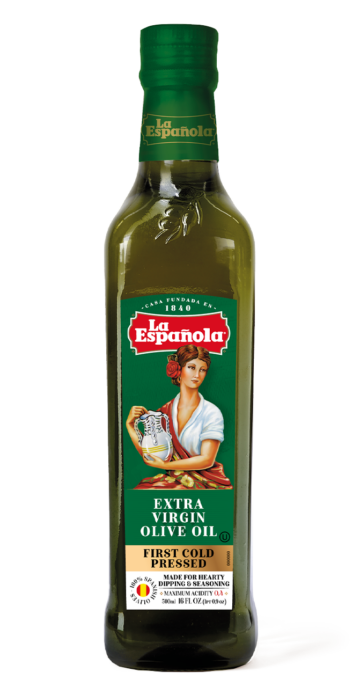
DISCOVER THE BRAND NEW Centennial Extra Virgin Olive Oil

Home » Recipes » Traditional Paella Valenciana with Olive Oil

Traditional Paella Valenciana with Olive Oil

This Spanish-Style Meat and Vegetable Paella is a colorful rice dish cooked with La Española Extra Virgin Olive Oil, chicken and a mouth-watering medley of vegetables. Inspired by Spanish home cooking and adapted for U.S. kitchens, it’s a one-pan meal that brings Mediterranean flavor to weeknight dinners or casual gatherings.

6-8

45 mins

30 mins

Ingredients

  • 3 Tbsp La Española Extra Virgin Olive Oil
  • 1 lb boneless, skinless chicken thighs, cut into bite-size pieces
  • 1 small onion, finely chopped
  • 2 cloves garlic, minced
  • 1 1/2 cups short- or medium-grain rice (paella rice if available)
  • 1 tsp sweet paprika
  • 1/2 tsp smoked paprika (optional)
  • 1/2 tsp dried thyme or oregano
  • A pinch of saffron threads (optional but traditional), soaked in 2 Tbsp warm water
  • 1 can (14–15 oz) diced tomatoes, drained
  • 3 1/2–4 cups low-sodium chicken broth, hot
  • 1 cup green beans, trimmed and cut into 2-inch pieces (fresh or thawed frozen)
  • 1 cup white beans (cannellini or Great Northern), drained and rinsed
  • 1 tsp salt (or to taste)
  • 1/4 tsp black pepper
  • Lemon wedges and chopped fresh parsley, for serving
  • Optional (but very “Valenciana” in flavor profile):
  • 1/2 cup roasted red peppers (strips)
  • 1/2 cup peas
  • 1/2 tsp rosemary (instead of thyme/oregano)

preparation

  • 1.

    Pat the chicken dry. Season lightly with salt and pepper. Pro tip: Dry chicken browns better—browning = flavor.

  • 2.

    Heat La Española EVOO in your paella pan over medium-high heat. Add chicken in a single layer and brown on all sides (it doesn’t need to cook through yet). Transfer to a plate.

  • 3.

    Reduce heat to medium. Add onion and sauté until soft, 3–4 minutes. Add garlic and cook 30–60 seconds. Stir in: drained diced tomatoes, sweet paprika + smoked paprika (if using), and thyme or oregano. Cook until the mixture looks thick and jammy (about 3–5 minutes).
    This is your
    sofrito, the flavor base of the paella.

  • 4.

    Add rice to the sofrito and stir for 1–2 minutes until every grain is coated and slightly glossy.

  • 5.

    Pour in 3 1/2 cups hot broth. Add the saffron water (if using). Stir once to distribute everything evenly, then level the rice and stop stirring. Bring to a lively simmer for 8 minutes at medium to high heat, then reduce heat. Do not stir after this point.

  • 6.

    When the rice has absorbed a good amount of liquid (usually around minute 10–12 of simmering), nestle in the green beans across the surface and return browned chicken and any juices to the pan. Continue cooking until rice is nearly done and the broth is mostly absorbed.

  • 7.

    Spread the white beans on top during the last 3–5 minutes so they warm through without breaking apart.

  • 8.

    Increase heat to medium-high for 60–90 seconds at the very end. You should hear a gentle crackle. Stop if it smells sharply burnt—socarrat should be toasted, not charred.

Tips and Variations

Paella is one of Spain’s most beloved, but also versatile, dishes. With so many ways to prepare it, the sky is well and truly the limit when cooking paella. Many variations call for different meats such as rabbit, pork or a mix of chicken and seafood. Alternatively, if you’d prefer a meat-free variation, check out our Vegan Paella Valenciana. Getting the rice’s texture just right is crucial. Paella rice should be tender but not mushy; adjust broth in small amounts as needed. For many, however, Black Rice Seafood Paella is the most exquisite variation of the dish, which is particularly popular during summer. Find out more about variations and traditions around paella in our Guide to Making the Perfect Paella.

Where Does Paella Come from?

Paella originated in the region of Valencia during the 18th century. It began as a humble meal prepared by farmers and laborers who cooked rice over an open fire with ingredients they had on hand, such as vegetables, beans, rabbit, or chicken. Over time, the dish evolved and became one of the most famous specialties of Spain, with many variations including seafood paella and mixed paella, but the traditional Valencian version remains a symbol of the region’s culinary heritage.

The Role of Extra Virgin Olive Oil in Paella

Extra Virgin Olive Oil plays a key role in preparing Paella, helping build the dish’s rich base of flavor. In traditional recipes from Valencia, olive oil is first heated in the wide paella pan to sauté ingredients such as garlic, onions, vegetables, and meats before the rice and broth are added. This step allows the ingredients to release their aromas and creates a flavorful foundation for the rice to absorb as it cooks. The oil also helps develop the prized crispy bottom layer of rice, known as socarrat, which is considered one of the most delicious parts of the dish.

Enjoy Cooking with our Recipes

Take a look at our recipes for inspiration.

All Recipes

Choose your country