
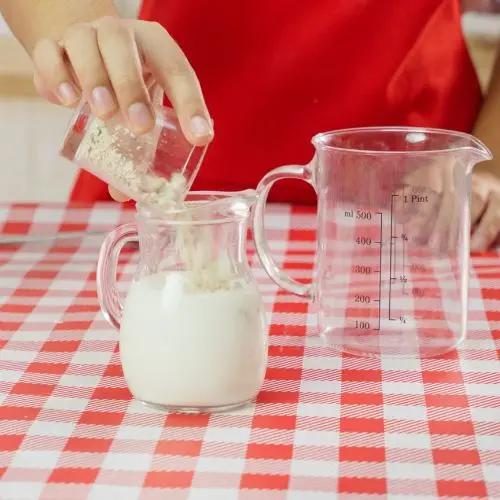
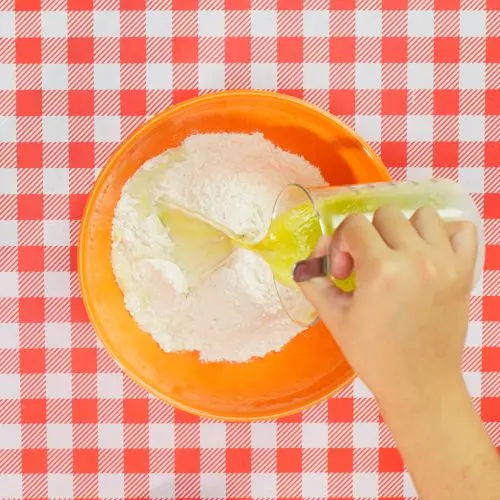
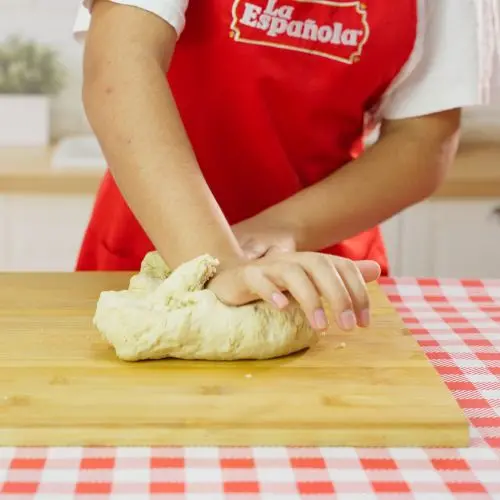
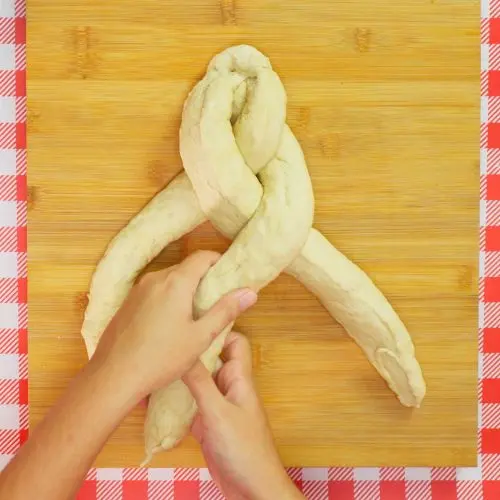
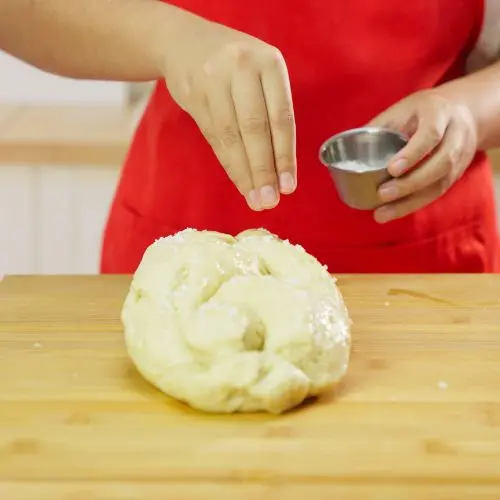
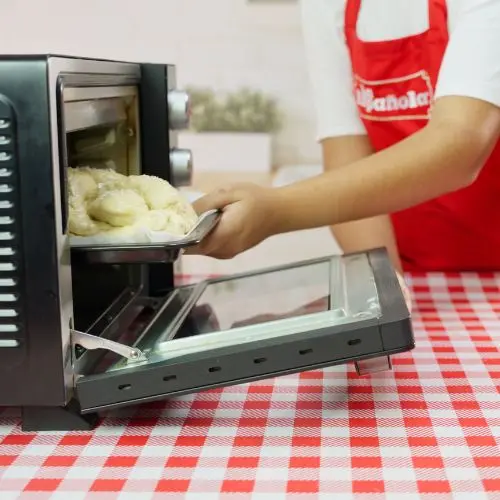
So you’ve caught the baking bug! Good for you, and more importantly, good for anyone who knows you because they’re the ones who get to benefit most from your creativity! Baking with olive oil is a great way to boost the nutritional profile of breads, cakes, and pastries. What’s more, it also adds a new and fruity dimension to the flavor.
If you’re looking to make more savory bakes, how about trying your hand at this exquisite Quiche Lorraine recipe. This easy and delicious recipe blends French tradition with the unique taste of extra virgin olive oil with spectacular results.
Alternatively, for a classic American recipe, try this Authentic Cornbread. This popular side dish is made by whisking together cornmeal, flour, eggs, milk, and La Española Classic Olive Oil into a smooth batter and baking it until it’s golden and fluffy. It combines the subtle sweetness of corn with the moist, tender texture that olive oil provides, making it perfect alongside chili, stews, or barbecue.
How Bread Baked with Olive Oil Tastes Different
Bread baked with olive oil has a noticeably different personality than bread made with butter or other vegetable oils. Olive oil gives the crumb a soft, tender texture and keeps it moist for longer, while the flavor comes through as subtle and aromatic rather than rich or sweet. Depending on the olive oil used, you may notice gentle grassy, fruity, or slightly peppery notes that add nuance to the flavor of the bread rather than dominating it. Extra Virgin Olive Oil, in particular, adds depth and complexity, making the bread taste more flavorful even with simple ingredients. The result is a loaf that feels lighter on the palate, less buttery, and well-suited to savory pairings like cheeses, olive oil dips, or roasted vegetables.
Frequently Asked Questions about Making Braided Bread
What kind of olive oil should I use in this recipe?title 1
Use extra virgin olive oil for the best flavor and texture, as the recipe is specifically designed to highlight the richness and aroma of high-quality EVOO.
Do I have to let the dough rest before shaping?
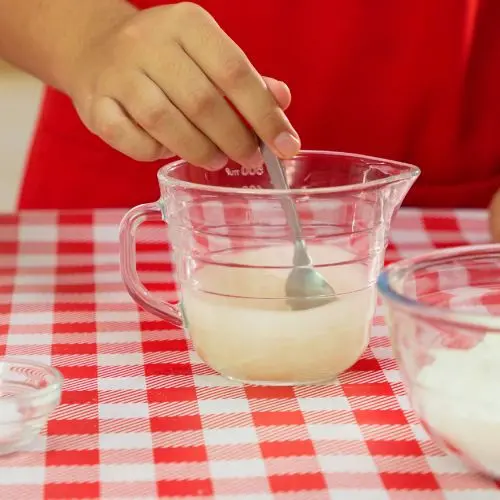
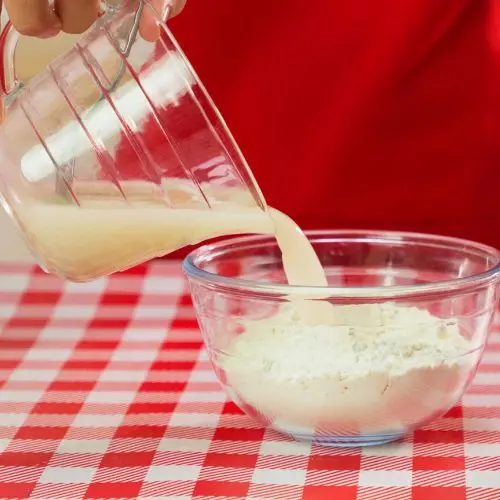
Yes — resting allows the gluten to relax and the yeast to ferment, which helps the dough rise properly and makes braiding easier.
How do I know when the dough has risen enough?
The dough should double in size before you shape it into strands for braiding. This usually takes 1–2 hours, depending on room temperature.
Can I braid the dough differently (more than three strands)?
Absolutely! You can try 4-strand, 6-strand, or more complex braids — it’s mostly aesthetic and doesn’t affect baking significantly.
Should I brush the bread with anything before baking?
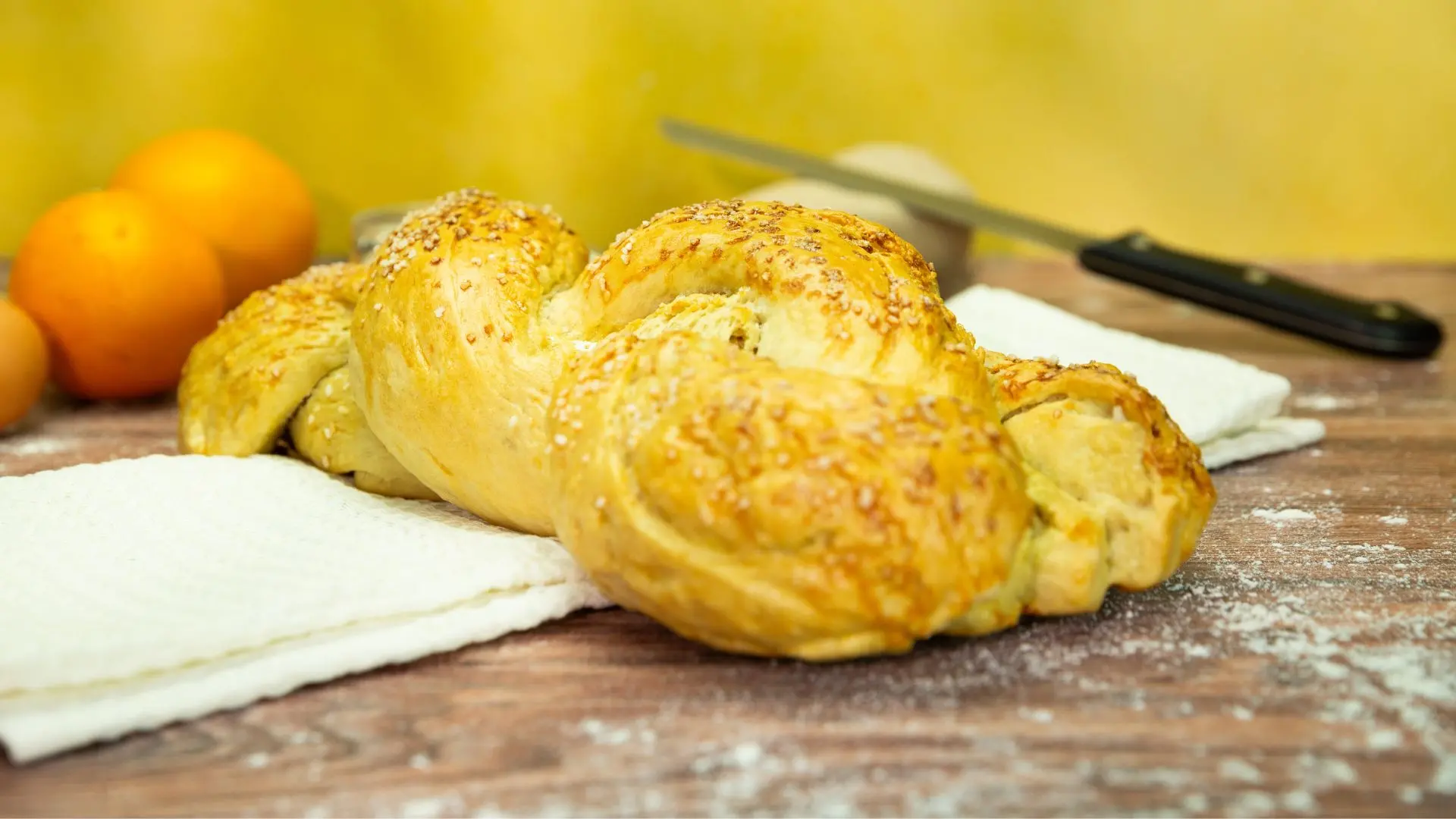
Yes. The recipe calls for brushing the braid with egg and sprinkling pearl sugar on top before baking for a golden finish.
How should I store leftover bread?
Let the bread cool completely, then store in an airtight container at room temperature for 2–3 days — or freeze slices for longer storage.