
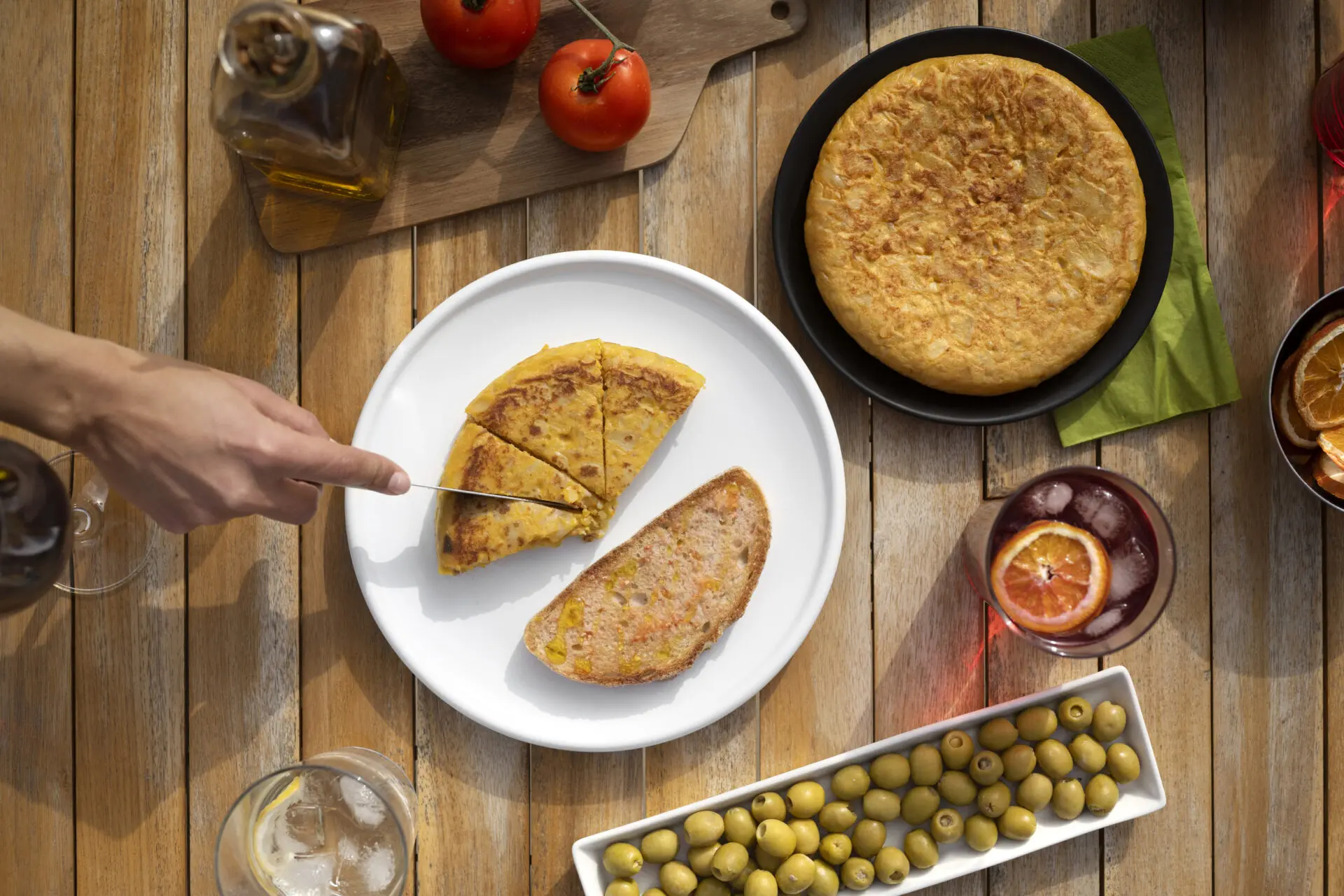
Few dishes represent Spanish home cooking as perfectly as the humble Spanish omelet, or tortilla española. Simple ingredients like eggs, potatoes, olive oil, and sometimes onions come together to create a dish that is comforting, versatile, and deeply rooted in tradition. Served warm or at room temperature, as a tapa or a full meal, the Spanish omelet is proof that technique matters just as much as ingredients. While the recipe itself is straightforward, mastering the perfect tortilla takes time and guidance. That’s why La Española is here to give you some practical tips and showcase delicious variations inspired by classic and modern recipes.
What Makes Spanish Omelet Special?
Unlike a French omelet, a Spanish omelet, or tortilla de patata as it’s known, is thick, hearty, and slow-cooked. Potatoes are gently fried in olive oil before being combined with eggs, creating a creamy interior and lightly golden exterior. The result should be firm enough to slice yet soft and tender inside. Its beauty lies in its adaptability. Serve it for breakfast, lunch, dinner, or tapas and you’ll soon appreciate why it’s one of Spain’s most beloved dishes.
Step-by-Step Tips for the Perfect Spanish Omelet
1. Choose the Right Potatoes
Waxy potatoes hold their shape best and cook evenly. Slice them thinly so they soften without becoming crispy. The goal is tenderness, not frying. A traditional technique is to slowly cook potatoes in olive oil rather than aggressively frying them. This gentle cooking creates the signature creamy texture.
Pro Tip: Keep heat at medium-low and stir occasionally to prevent browning.
2. Don’t Rush the Onion Debate
In Spain, the question of onions in potato omelets is still a controversial topic. Many cooks swear by them for added sweetness and depth, while others claim that the potato-only version is the definitive recipe. The truth is that either approach is authentic, so adding onions is entirely down to your personal preferences. If you do fancy adding onions, cook them slowly until soft and lightly caramelized for balanced flavor.
3. Let the Egg Mixture Rest
After combining cooked potatoes with beaten eggs, allow the mixture to sit for several minutes. This step allows the potatoes to absorb flavor and helps the tortilla set evenly during cooking. This small pause makes a noticeable difference in texture.
4. Cook Low and Slow
Pour the mixture into a lightly oiled nonstick pan and resist the urge to stir. Cooking slowly ensures the interior remains creamy while the outside forms structure. A proper tortilla cooks gently for several minutes before flipping.
5. Master the Flip (Without Fear)
The flip—or la vuelta as it’s affectionately known—is the defining moment. Place a plate larger than the pan over the tortilla, hold firmly, and invert in one confident motion before sliding it back into the skillet. If flipping feels intimidating, finishing under a grill or in the oven is an acceptable alternative for beginners.
6. Serve at the Right Temperature
Spanish omelets are rarely served piping hot. Letting the tortilla rest improves flavor and structure, making it easier to slice cleanly. Many Spaniards actually prefer it at room temperature.
Delicious Spanish Omelet Variations
Once you master the base technique, variations allow you to adapt the tortilla to any occasion.
The Rustic Variation

Our Rustic Spanish Omelet recipe embraces bold ingredients like chorizo, serrano ham, peppers, peas, and spring onion. These additions transform the tortilla into a hearty, countryside-style meal packed with color and flavor.
Pairing Spanish Tortilla with Onions and Sautéed Mushrooms
This Spanish Tortilla with Onions and Sautéed Mushrooms recipe puts onions and mushrooms to the fore. This version adds earthy depth through sautéed mushrooms served alongside the classic potato-and-egg base. Slowly cooking potatoes and onions in olive oil creates the creamy texture that defines a traditional tortilla, while mushrooms introduce a rich umami contrast.
Truffle Tortilla
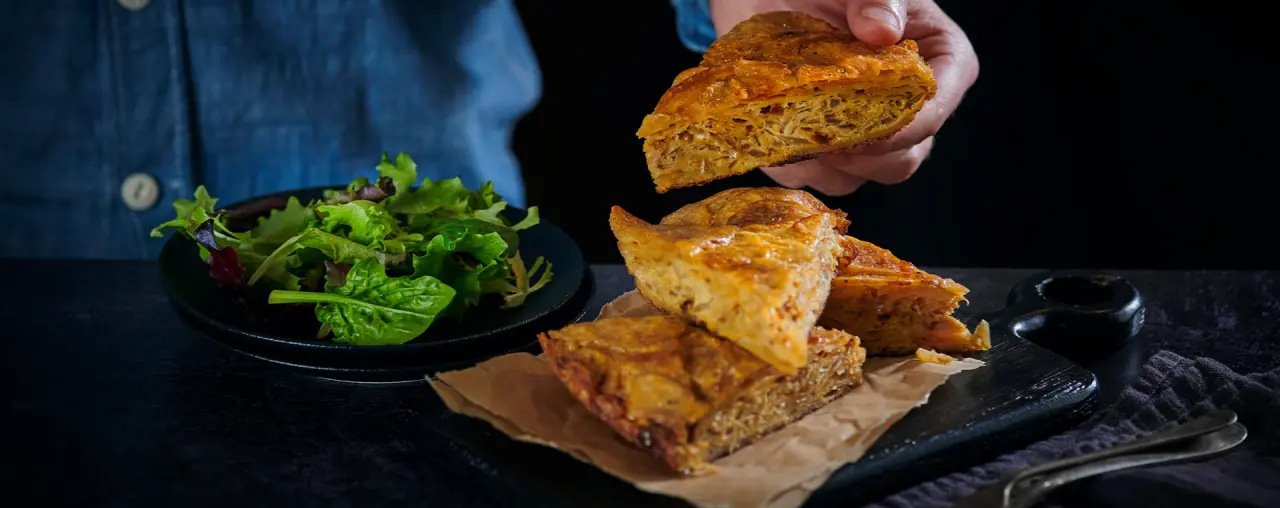
For a modern twist, how about trying our Truffle Tortilla? Made with La Española’s Extra Virgin Olive Oil Flavored with White Truffle, caramelized onions, and one surprising addition—potato chips. Yes, you’ve heard that right. Leaving the chips to soak in the egg mixture beforehand creates a shortcut that still delivers classic flavor and texture.
Common Mistakes to Avoid
- Cooking potatoes too fast: leads to crispy pieces instead of tender bites.
- Too much heat: causes rubbery eggs.
- Skipping the rest period: prevents flavors from melding.
- Overcooking: the center should remain slightly creamy, not dry.
A great tortilla is about patience and balance rather than complexity.
Serving Ideas
Spanish omelets are incredibly versatile. Here are some serving suggestions to help you get the most out of your tortilla de patata experience.
- Cut into wedges for tapas
- Serve with a green salad for lunch
- Pair with crusty bread and olive oil for a delicious sandwich.
- Add roasted vegetables for a complete dinner
Mastering the Spanish omelet is less about strict rules and more about understanding technique. Once you learn how to slowly cook the potatoes, balance the eggs, and confidently flip the tortilla, you unlock one of Spain’s most enduring culinary milestones.
For more olive oil cooking tips and Mediterranean recipes, visit our blog.
FAQ: Spanish Omelets
What is the difference between a Spanish omelet and a regular omelet?
A Spanish omelet is thick and made with potatoes cooked in olive oil, while traditional omelets are thinner and cooked quickly with fillings folded inside.
Should a Spanish tortilla be runny inside?
It should be creamy but not raw. The center should feel tender and slightly soft when sliced.
Can I make it ahead of time?
Yes. Tortilla española is commonly made in advance and served at room temperature.
What pan works best?
A nonstick skillet around 8–10 inches wide helps maintain thickness and makes flipping easier.
Can I add other ingredients?
Absolutely. Popular additions include mushrooms, peppers, ham, chorizo, or even modern twists like truffle oil or potato chips.
How long does it keep?
Stored in the refrigerator, it lasts up to three days and reheats well over low heat.