
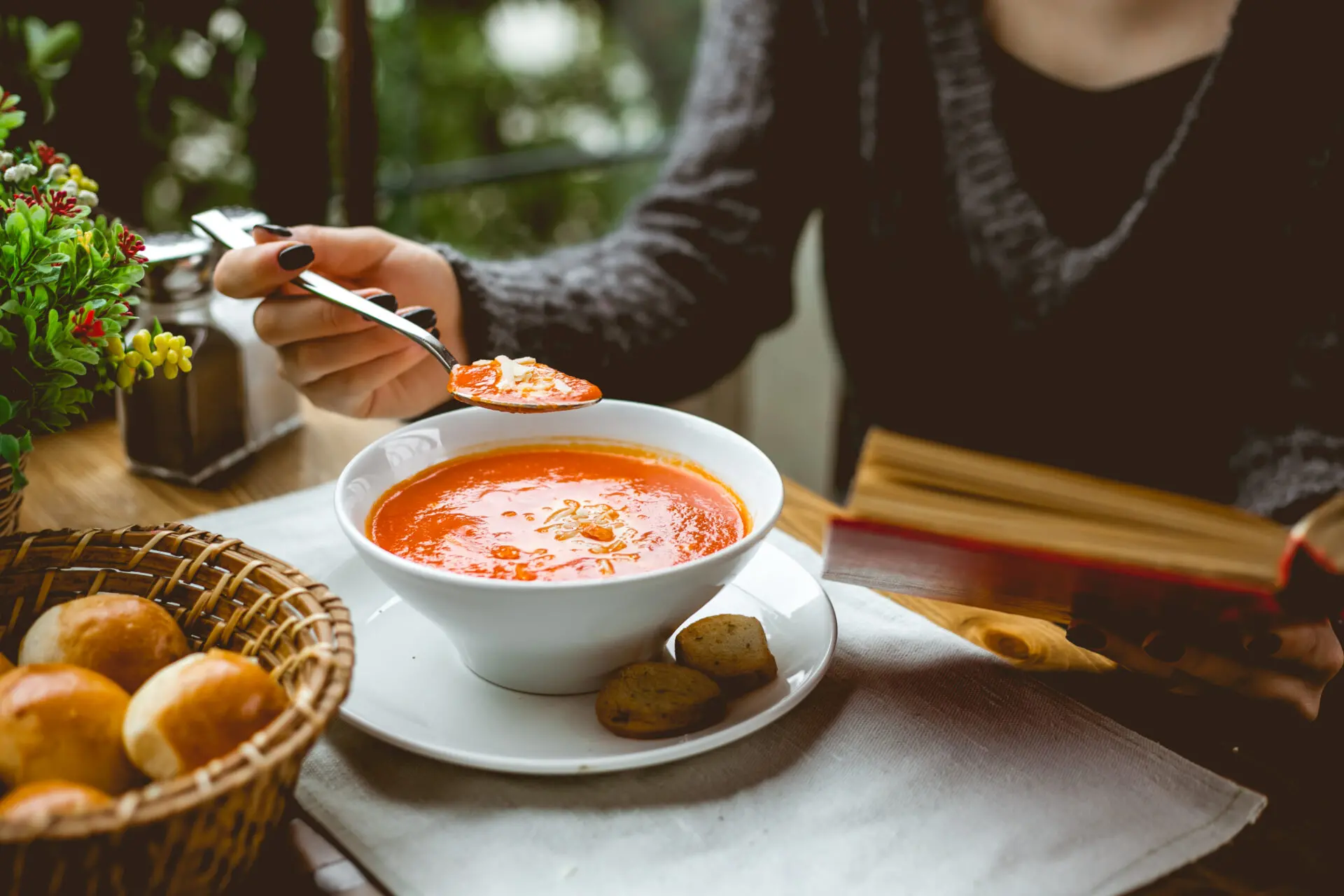
Spain is a tapestry of cultural influences, diverse climates, and vibrant culinary traditions. From the sun-drenched coastlines of the Mediterranean to the fertile plains and historic inland cities, each region boasts unique flavors rooted in centuries of tradition. For well over a century, La Española has been at the heart of Spanish cuisine, providing premium quality Extra Virgin Olive Oil to homes and restaurants throughout the country. In this guide to regional cuisine, we’ll explore iconic recipes from five distinct areas: Valencia, Madrid, Córdoba, the Andalusian Coast, and Jaén, each showcasing local ingredients and time-honored cooking techniques. So, without further ado, let’s begin our journey.
Valencia: The Home of Paella
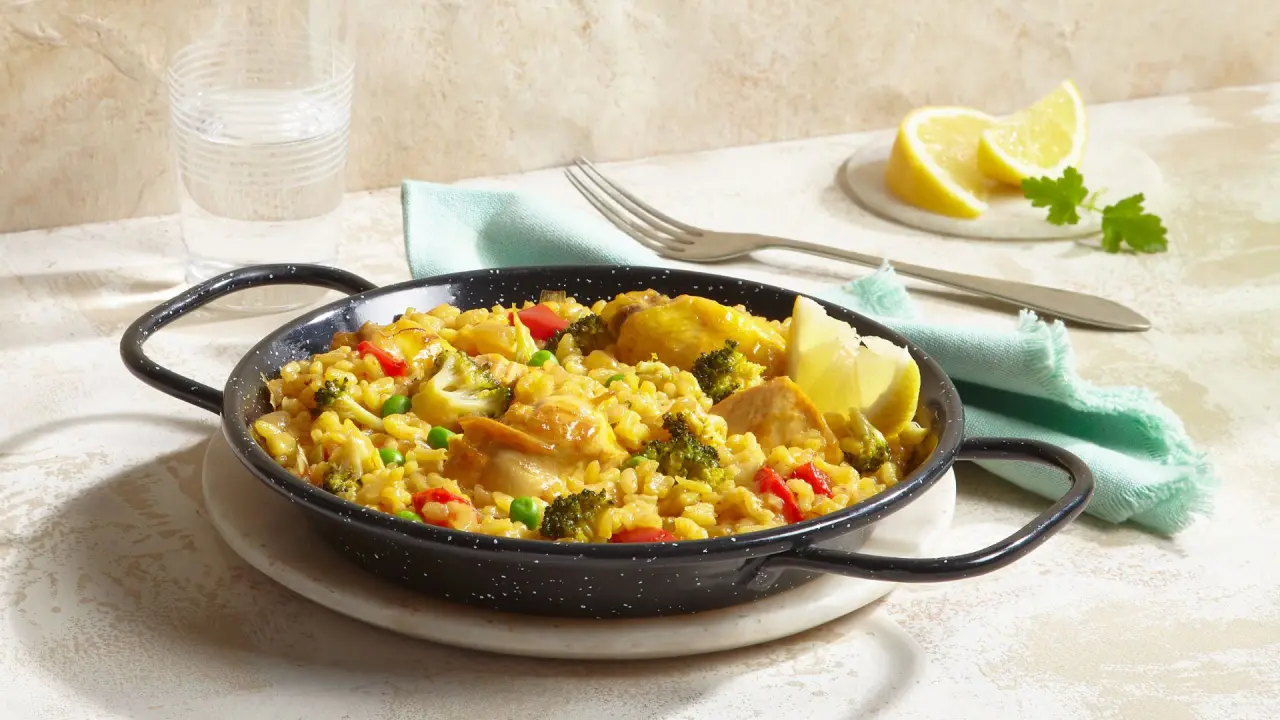
No discussion of Spanish cuisine is complete without paella, and the region of Valencia claims this beloved rice dish as its own. The Chicken, Broccoli and Red Pepper Paella is a vibrant take on the classic, combining tender chicken, crisp broccoli, and sweet red peppers with saffron-kissed rice that’s cooked slowly to perfection.
Alternatively, if you’d like to experience the flavors of the Mediterranean sea in your paella, try our Black Rice Seafood Paella. Made with a variety of shell fish and flavourful black rice, this is the perfect recipe for those looking to explore the depths of Spain’s seafood tradition.
Madrid’s Spicy Gift to the World
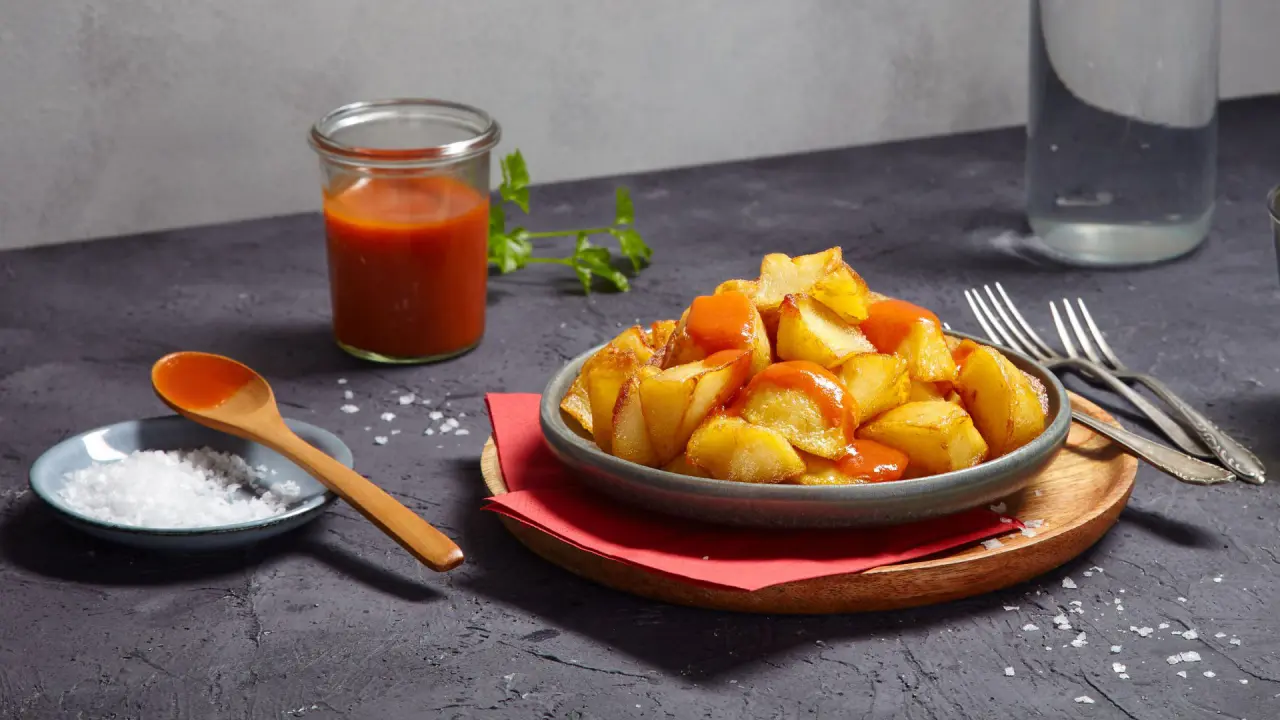
In the heart of Spain sits Madrid, a vibrant capital city where traditional comfort food meets urban energy. A beloved tapa from this region is Patatas Bravas, crispy fried potatoes smothered in a bold, spicy sauce that delivers deep flavor with every bite. Our Patatas Bravas Spanish Fried Potatoes with Spicy Sauce recipe highlights this iconic dish. The potatoes are fried to golden perfection, and a drizzle of La Española Classic Olive Oil elevates their earthy richness. The spicy sauce, often a blend of tomato, paprika, and chili, adds warmth and depth.
In Madrid, patatas bravas are more than just a side, they’re a social experience, perfect for sharing over glasses of wine or beer. They represent Spain’s love of bold flavors served in convivial settings.
Córdoba: Salmorejo
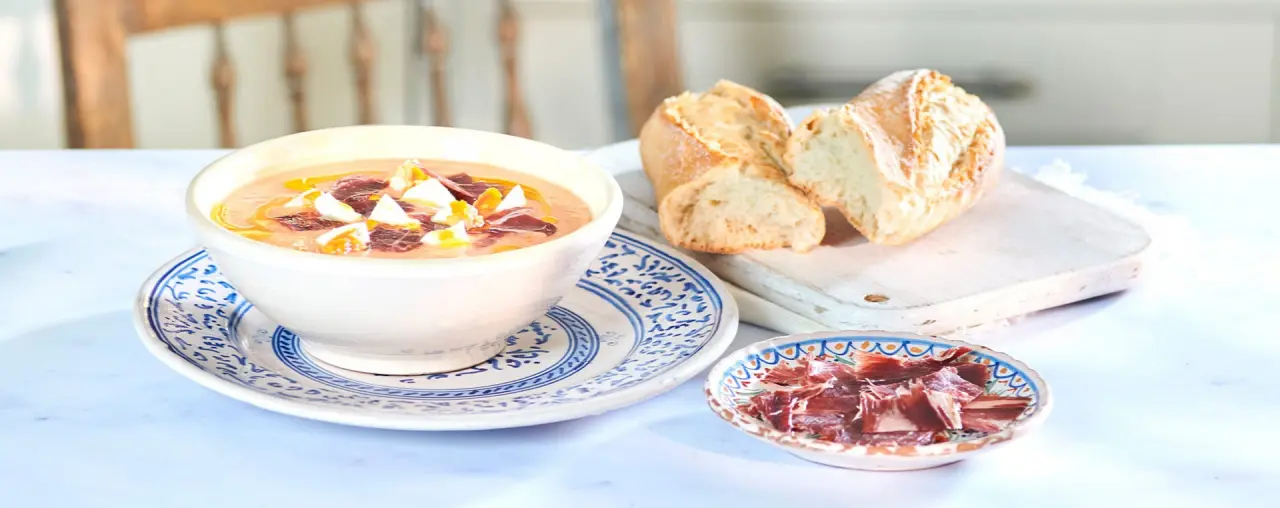
Travel south to the historic city of Córdoba, where salmorejo, a cool, creamy tomato soup, reigns supreme. Unlike gazpacho, salmorejo is smooth in texture and rich in flavor, relying on simple ingredients that pack a punch when blended with premium olive oil. This Authentic Salmorejo recipe lets ripe tomatoes, crusty bread, garlic, and Extra Virgin Olive Oil do all the talking. Drizzle with extra virgin olive oil for a glossy finish and garnish with hard-boiled eggs or ham for contrasting texture. Salmorejo is the perfect dish for warm afternoons, capturing the bright acidity of Spanish tomatoes while offering refreshing solace from the heat. It is a true taste of Córdoba’s culinary heritage.
Andalusian Coast: Tuna Steaks with White Beans and Salsa Verde
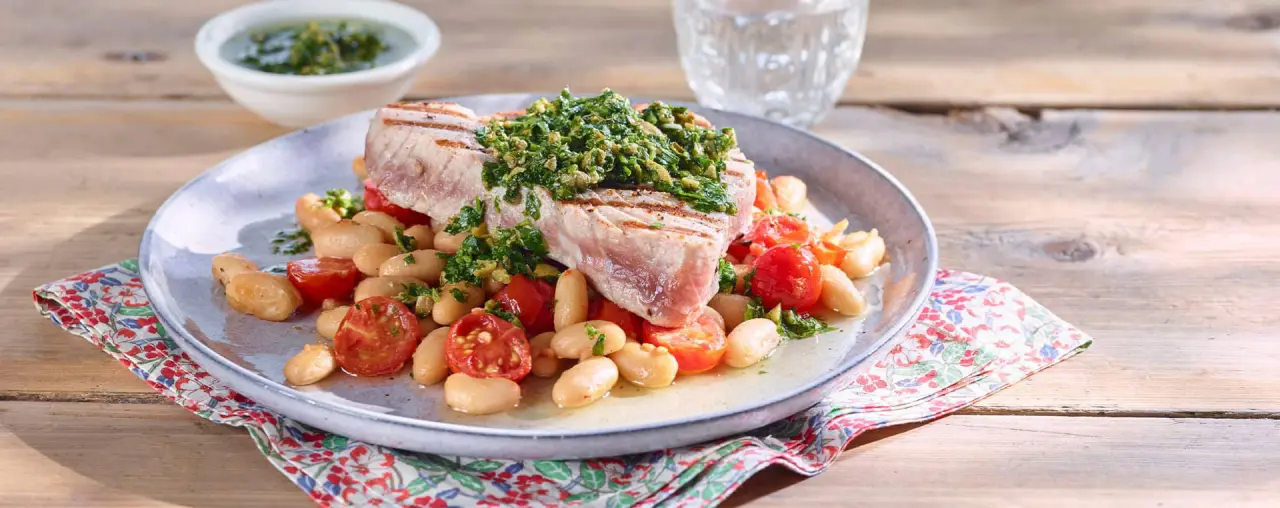
The coastline of Andalusia, stretching along the Mediterranean, brings the bounty of the sea to Spanish tables. One standout ingredient in summer is tuna fish caught locally and served fresh. With this Tuna Steaks with White Beans and Salsa Verde recipe, seared tuna steaks meet creamy white beans, while bright salsa verde, made with parsley, garlic, capers, and olive oil, adds zest. Andalusian chefs have long trusted olive oil to bind these elements together, producing a dish that’s both satisfying and nutritious. Ideal for a summer lunch or elegant dinner, this dish captures the fresh spirit of Spain’s southern seas.
Jaén: The Spiritual Home of Pipirrana
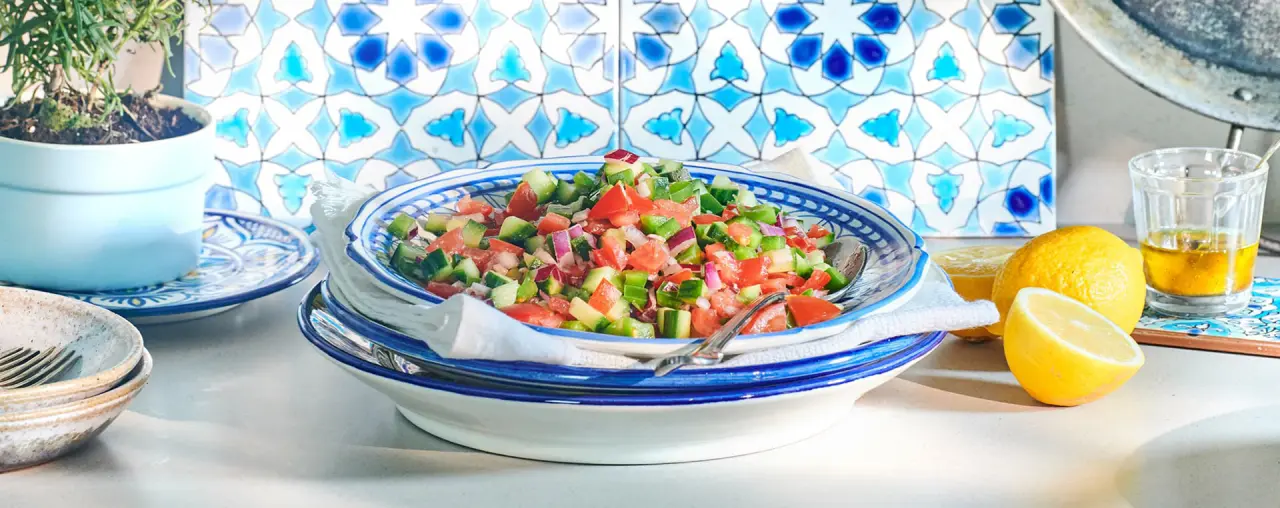
In the rugged landscapes of Jaén, a province in Andalusia known for its cultivation of the picual olive variety used in many olive oils, you’ll find a refreshing salad that’s both simple and full of character: pipirrana. A humble dish that emphasizes the natural flavors of fresh vegetables, our Pipirrana Recipe brings together chopped tomatoes, bell peppers, onions, and cucumbers with a zesty olive oil-based dressing. The result is a cooling, crisp salad with vibrant color and brightness.
Scratching the Surface of Spain’s Richly Diverse Gastronomy
Spain’s regional cuisine offers a vivid portrait of the country’s history, landscape, and culinary spirit. Here we’ve covered just a few of the country’s culinary gems, but there’s plenty more to come. For more cooking tips and olive oil recipe ideas, check out our blog.
Frequently Asked Questions About Spanish Regional Cuisine
What defines Spanish regional cuisine?
Spanish regional cuisine is shaped by geography, climate, and cultural influences. Coastal regions focus on seafood and fresh produce, inland cities blend hearty meats and stews, and southern areas often feature olive oil, tomatoes, and bold flavors. Each region has its own distinct dishes rooted in local tradition.
Why is olive oil so important in Spanish cooking?
Olive oil is a cornerstone of Spanish cuisine, valued for its flavor, health benefits, and versatility. It enhances the taste and texture of soups, stews, sautés, salads, and even some desserts. Spain is one of the world’s largest olive oil producers, and its culinary traditions revolve around this golden ingredient.
Are these recipes authentic to their regions?
Yes. Each recipe featured in this guide reflects traditional dishes from its respective region. While modern variations may exist, the recipes stay true to the core ingredients and cooking styles that define each locale.
Can I make these dishes at home easily?
Absolutely! While some dishes like paella may require a bit more technique, most of these recipes use simple, fresh ingredients and straightforward preparation. With quality olive oil and good produce, you can recreate authentic Spanish flavors in your kitchen.
What should I serve with these regional dishes?
These dishes pair wonderfully with Spanish staples like crusty bread, olives, Manchego cheese, and a glass of Rioja or Albariño wine. Light salads and fresh fruit also complement the bold flavors found across Spanish cuisine.